In 2026, a handheld laser welder can replace traditional MIG/TIG setups for 80-90% of light-to-medium fabrication tasks, specifically for materials between 0.5mm and 8.5mm. While it excels in speed and low heat distortion, traditional arc welding remains necessary for heavy structural steel (>12mm) and poor-fit-up joints where high metal deposition is required.
The “Single Machine” Workshop Approach
A streamlined workspace improves workflow and reduces overhead. If this is your goal, handheld laser welding is the high-speed alternative to traditional methods. The concentrated heat source produces clean results without the distortion common to arc welding. For businesses working primarily with thin-gauge stainless steel or aluminium, this technology handles the bulk of the workload.
The Hybrid Workshop Strategy
Shops taking on all types of welding jobs stay flexible. Even then, a laser welder often becomes the primary tool for many tasks due to its speed and finish. Keeping a MIG or TIG machine available makes sure the shop can handle the remaining portion of jobs. This includes thick structural repairs, parts with poor fit-up, or very small components. Using a variety of tools provides the flexibility to take on any project that enters the building.
5 High-ROI Applications: Where Laser is the King
In a 2026 production environment, time is the only non-renewable resource. Here is where the investment pays off immediately:
1. Precision Enclosures
For shops producing electrical boxes, medical equipment, or food-grade cabinetry, heat is the enemy. Traditional TIG welding often causes thin stainless steel to warp, requiring hours of manual straightening.
The Laser Edge:
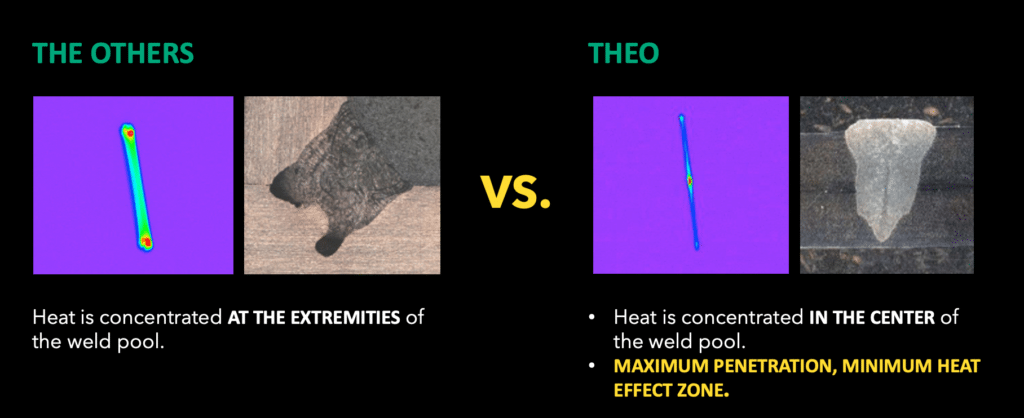
Because the heat is localized, you can weld long seams on 1.5mm stainless with almost zero distortion. The result is a corner that is square and a face that is flat, straight off the bench.
2. Architectural Metalwork and High-End Furniture
When the weld needs to look good, the laser shines. Whether it is a brass handrail or a custom steel table frame, cosmetic requirements are high.
The Laser Edge:
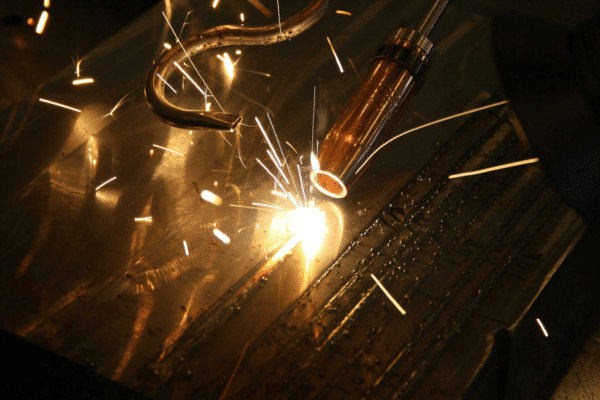
High energy concentration in a small spot delivers low heat input and clean welds with little to no spatter. This improves weld quality and removes the need for grinding and post-processing in many applications, increasing productivity and reducing production costs.
3. Dissimilar Metal Joining
One of the most impressive applications in a modern shop is the ability to join metals that usually react poorly together.
The Laser Edge:
Need to weld a copper heat sink to a stainless-steel base? Or aluminium to galvanized steel? The laser’s intensity fuses these materials at the interface without creating the brittle, messy joints common with brazing or specialized arc processes. This creates new design possibilities for custom cooling systems or decorative pieces.
4. Automotive Restoration and Thin-Gauge Repair
Working on classic car bodies or custom exhaust systems requires extreme control. One slip with a MIG welder on a thin quarter-panel means a hole that takes an hour to patch.
The Laser Edge:
The “Wobble” function on handheld lasers allows the operator to bridge small gaps while keeping the heat low enough that burn-through is nearly impossible. It is “metal glue” for the automotive world.
5. Kitchen and Food-Grade Equipment
Sanitary welds in the food industry must be smooth and free of pits where bacteria can grow.
The Laser Edge:
Laser welds are naturally non-porous and smooth. Because there is little to no spatter, the interior of tanks and food prep surfaces remain pristine, reducing contamination risks and making the certification process smoother.
Are you considering switching to laser welding? Check this article
Hold on a Second!
THEO is no average handheld laser welder. The machines in the MA1 Series, with power between 800W and 2kW, confidently handle thicknesses from 0.5mm up to 8.5mm. You work quick and comfortable while saving energy. Win-win!
The Precision Requirement
The electric arc and filler wire can bridge gaps and compensate for imperfect cuts. Shops working with rough-cut materials or hand-sheared edges will find that a laser requires a higher standard of edge preparation.
Yet, if you work with clean-cut edges and narrow gaps, using a single or dual wire feeder lets you use the powerful precision of an extremely narrow laser beam to melt and bridge materials together. If you work in a metal shop, joining 4mm gaps is likely a daily routine. The dual wire feeder will be your new best friend.
Manoeuvrability and Ergonomics
The size of the equipment affects where you can use it. Many TIG torches can be large and bulky, but they allow for interchangeable ceramic cups to make welding in tight spaces easier.
However, even the smallest TIG torch in hard-to-reach areas often has shielding gas issues. The cup might be too large for the joint or too small for adequate coverage.
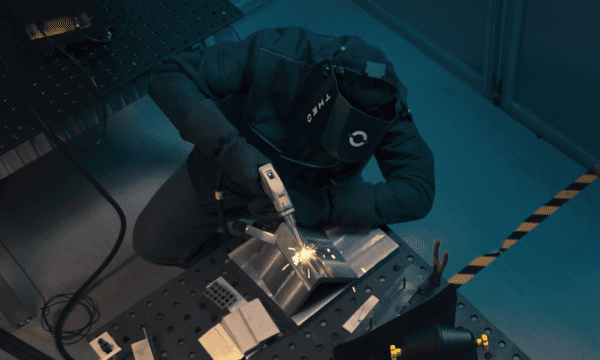
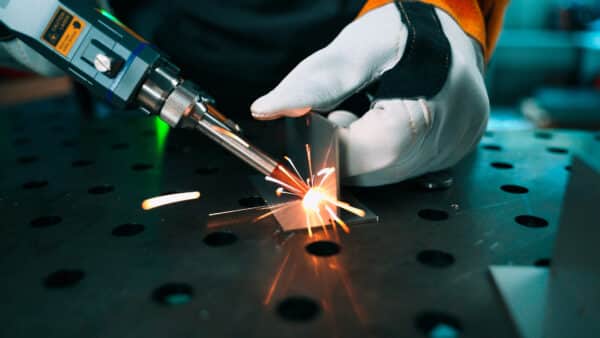
Handheld laser welding torches contain sensitive optics and cooling channels. They are slightly larger depending on the brand, but they can still reach cramped spaces. In a tight space, the main safety issue is laser beam reflection. Operators must maintain the correct welding angle (45 degrees) so the beam does not damage the optics inside the torch or harm the operator.
THEO’s solution is a tube and a tip that can be rotated 360 degrees. This allows you to change the wire feeding direction easily. This feature improves access and guarantees the welder works safely at the correct angle, minimizing risk for the machine and the operator.
Did you know…
THEO’s is not just a highly adaptable torch; it is also the industry’s smallest and lightest laser welding torch. It makes operability exceptionally easy.
The Verdict: Is One Machine Truly Enough?
Can you officially retire your old MIG/TIG units and rely solely on a laser welding machine? The honest answer: it depends on your niche. If your workshop specializes in high-volume, thin-gauge assembly (like custom stainless cabinetry, aluminium signage, or medical enclosures), then a high-quality handheld laser like the THEO MA1 Series is likely the only machine you will ever need. In that environment, it is faster, cleaner, and makes you more profitable.
For general fabrication shops, the verdict is different. A laser is a precision instrument, not a sledgehammer. You will still face projects with heavy structural steel, sloppy joint fit-ups, or dirty metals that an arc welder handles with ease.
The Bottom Line
Think of a laser welder as your new primary driver, not a total shop replacement:
- The Laser welding machine handles 80-90% of your work where speed, finish, and low heat distortion are the priorities.
- The Traditional Welder stays on standby for the 10-20% of jobs that are too thick, too gapped, or too structurally massive for a light-based system.
Get Started with Laser Welding Today
Integrating laser welding equipment into your operation can seem intimidating, particularly with no laser welding experience. Fortunately, our laser welding experts are ready to help. Getting started is easy, just tell us about your application and needs. Get started here
YOU MAY BE INTERESTED IN

TIME SAVER. THE MA1 SERIES
THEO MA1 Laser Welding Machine is a compact, easy-to-use, and highly efficient handheld laser welding system that offers superior return on invest compared to traditional welding methods.
THE ADVANTAGES OF LASER WELDING. IN YOUR HANDS
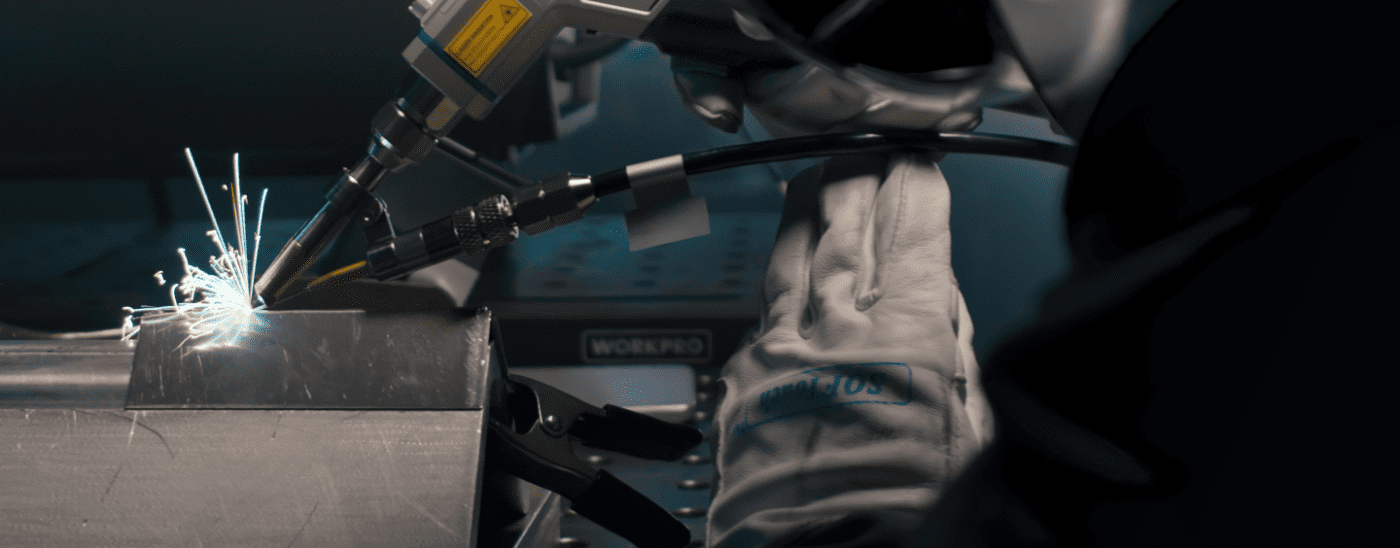
Laser welding offers a game-changing approach to joining metals, outperforming traditional methods like TIG and MIG welding in several key areas.
With laser welding, you can achieve up to 10x faster welding speeds, boosting productivity and profitability.